


Safe, Sound, and Snuggled: Helping Pets Through Fireworks & the Summer Season
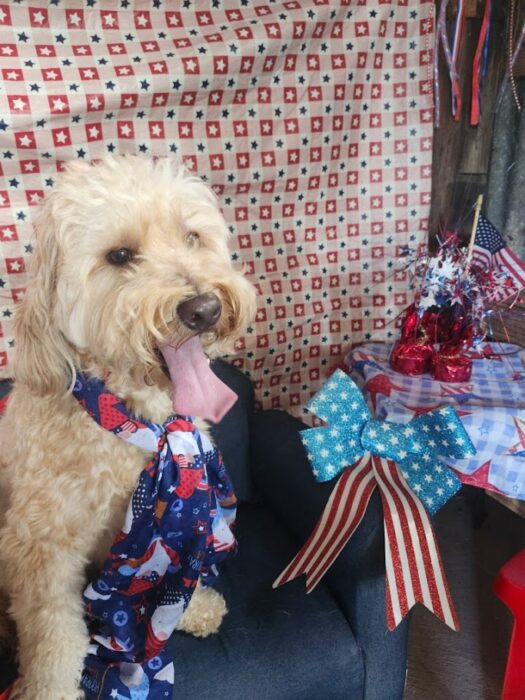
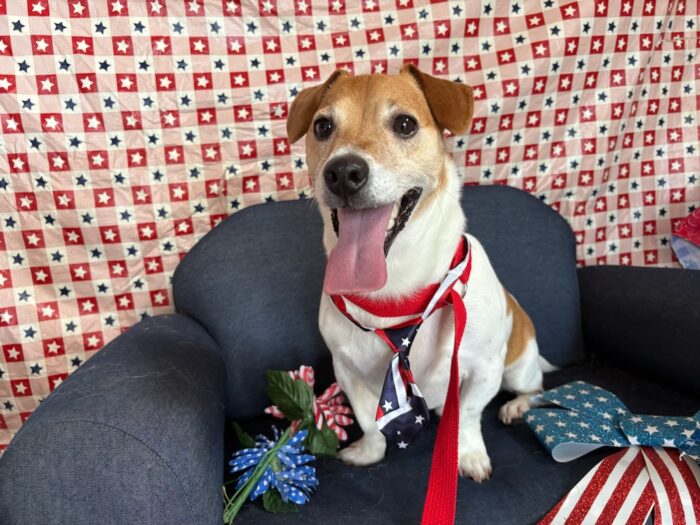
Keep Pets Calm and Safe when Celebrating
- Give your dog plenty of exercise earlier in the day to help reduce stress later.
- Make sure ID tags are current and securely attached to your dog’s collar.
- Verify your dog’s microchip info is up to date, and keep a recent photo on hand.
- Use TV or calming music to mask fireworks and help keep your dog relaxed.
- Fireworks may occur before and after the 4th—plan ahead for early/late shows.
- Dogs hear much louder than humans—first-time pups may be especially scared.
- Before heading out, ensure your dog is in a safe, comfy space with favorite items.
- For severe anxiety, ask your vet about medication—request refills at least a week ahead.
Why Every Pet Parent Needs a Pet First Aid Kit
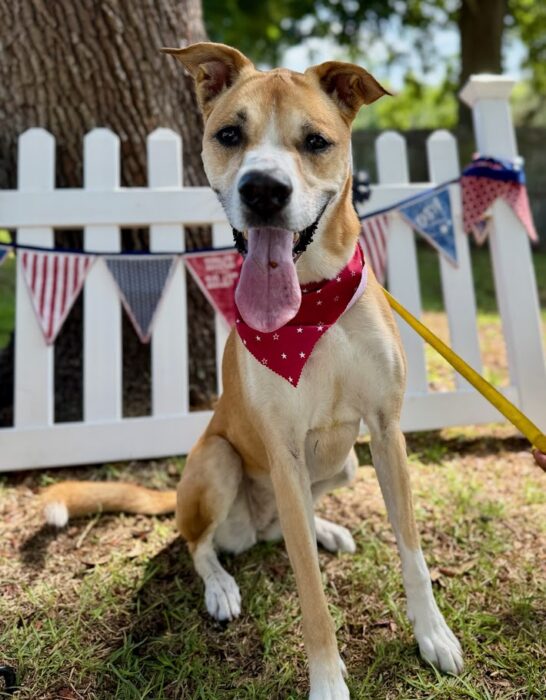
When our pets are hurt or scared, we’d do anything to help them feel better. That’s why having a pet first aid kit on hand is one of the most loving things you can do. Whether it’s a minor cut, a bee sting, or a sudden allergic reaction, being prepared means you can stay calm and comfort your pet when they need you most. Include basics like gauze, antiseptic wipes, tweezers, and even an EpiPen if your vet recommends it. You don’t need to be a medical expert—just a caring pet parent ready to help.
Want to feel even more confident? Check out our past blog on Pet CPR and First Aid here.
Summer Dangers for Dogs in Northeast Florida: What to Watch Out For
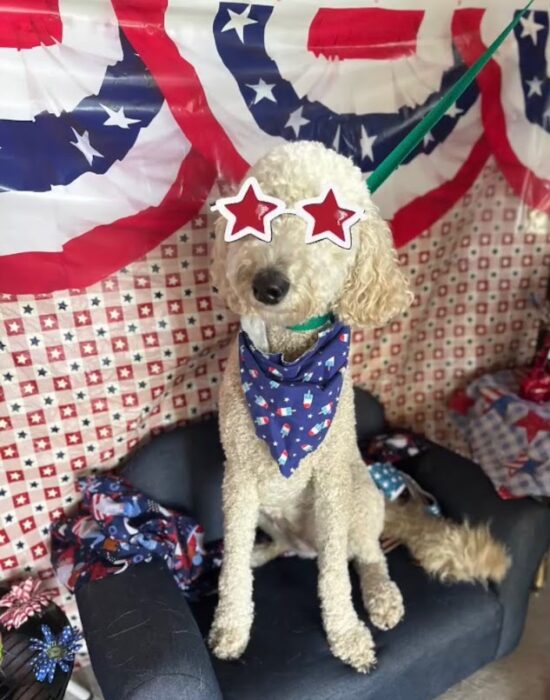
Summer is a great time for outdoor fun with your dog, but it also brings hidden hazards—especially in Northeast Florida. From toxic plants to venomous snakes, it’s important to know what to avoid to keep your pup safe.
Plants like oleander, sago palm, lantana, and azaleas may be common in yards or parks, but they can be highly toxic to dogs. Ingesting even small amounts can lead to serious health issues, including vomiting, seizures, or worse. Always supervise your dog around unfamiliar greenery, and consider using pet-safe landscaping in your own yard.
Snake encounters are another summer concern. Venomous species like the Eastern Diamondback Rattlesnake, Cottonmouth (Water Moccasin), and Coral Snake are active in warm weather and may be hiding in brush, tall grass, or near water. Keep your dog on a leash during walks in natural areas and clear yard debris where snakes might hide.
Always keep your vet’s number on hand and Florida Poison Control Center (1‑800‑222‑1222).
By staying aware of local dangers and keeping emergency contacts handy, you can make sure your dog enjoys summer adventures safely. A little preparation goes a long way in protecting your four-legged family member.
